
Pets sometimes need advanced dental procedures to treat infection, fractures, or severe periodontal disease. Houndstooth Veterinary Dentistry and Oral Surgery provides specialized care for both dog and cat oral surgery within a professional veterinary hospital setting. Pet oral surgery can improve a pet’s comfort and protect long-term health.
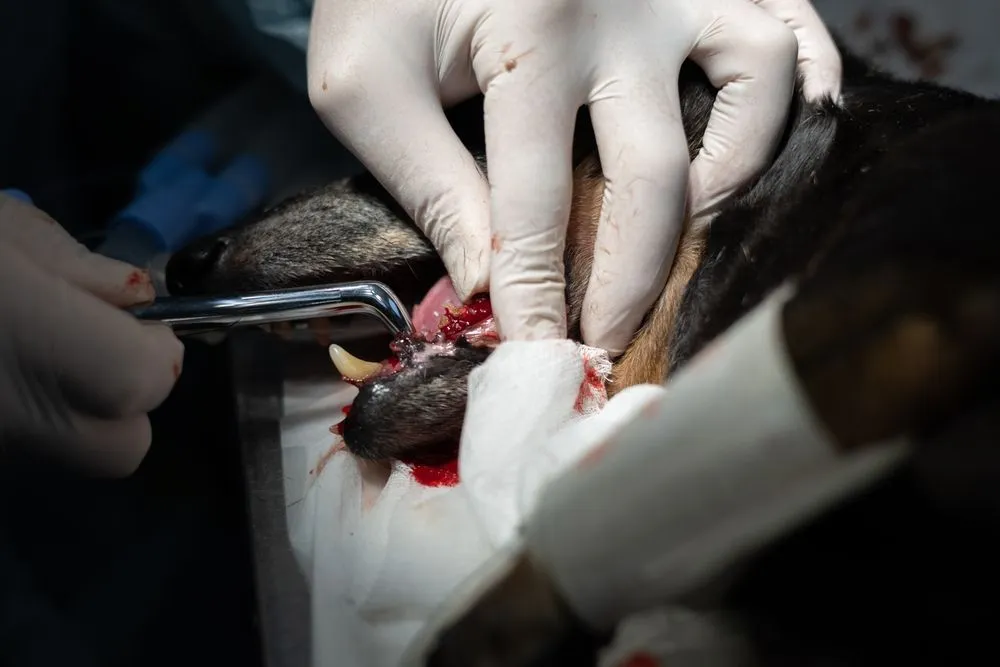
Why Post-Operative Dental Care Matters
After pet oral surgery, the mouth requires time to heal. The surgical site may include sutures, tissue repair, or tooth extractions. Proper postoperative care supports healing and helps reduce the risk of complications such as infection or delayed recovery.
Our veterinary professionals monitor patients closely after the procedure. Pain control, hydration, and recovery from anesthesia are carefully evaluated before a pet leaves the veterinary hospital. Once the pet returns home, continued care becomes an important part of the healing process.
What Symptoms Are Normal After Pet Oral Surgery?
Mild swelling around the mouth or jaw may occur, and temporary drooling can develop after the procedure. Pets may also feel slightly tired while the anesthesia fully clears from their system.
Reduced appetite is common during the first day, and soft food is recommended so that chewing does not irritate the surgical site. Pet owners should observe their animal closely for comfort and behavior changes.
How Should Pet Owners Care for Their Pet at Home?
Home care instructions are provided before the pet leaves our hospital. Pain medications and antibiotics may be prescribed to control discomfort and prevent infection, and should be given exactly as directed.
Diet adjustments are often recommended, since soft or moist food is easier for pets to eat while the mouth heals. Hard treats, chew toys, and bones should be avoided until your veterinarian confirms that healing is complete.
When Should a Veterinarian Be Contacted?
Most pets recover smoothly after oral surgery. However, certain symptoms require professional evaluation. Excessive bleeding, persistent swelling, or refusal to eat for more than twenty-four hours may indicate a problem.
If your pet appears to be in pain or if sutures come loose, contact your vet right away. Early communication helps address complications before they worsen.
A follow-up visit may be scheduled for your vet to observe the healing process and confirm that the treatment was successful.
Pet Oral Surgery Recovery in Longview, WA
Houndstooth Veterinary Dentistry and Oral Surgery serves pets throughout Longview, WA, with advanced dental expertise. To learn more or schedule an appointment, call our office at (360) 232-8863. Our veterinary team can guide pet owners through recovery, monitor healing, and help ensure that every patient returns to normal daily life with improved oral health.